Particle size, porosity, surface area, roughness, wettability, or…
standard property measurement
Material Properties · Particle & Surface
Use Dynamic Vapour Sorption (DVS) to evaluate particle size, porosity, surface area, roughness, wettability, or interfacial behaviour with a scope matched to your sample, application, and decision.
Why this service
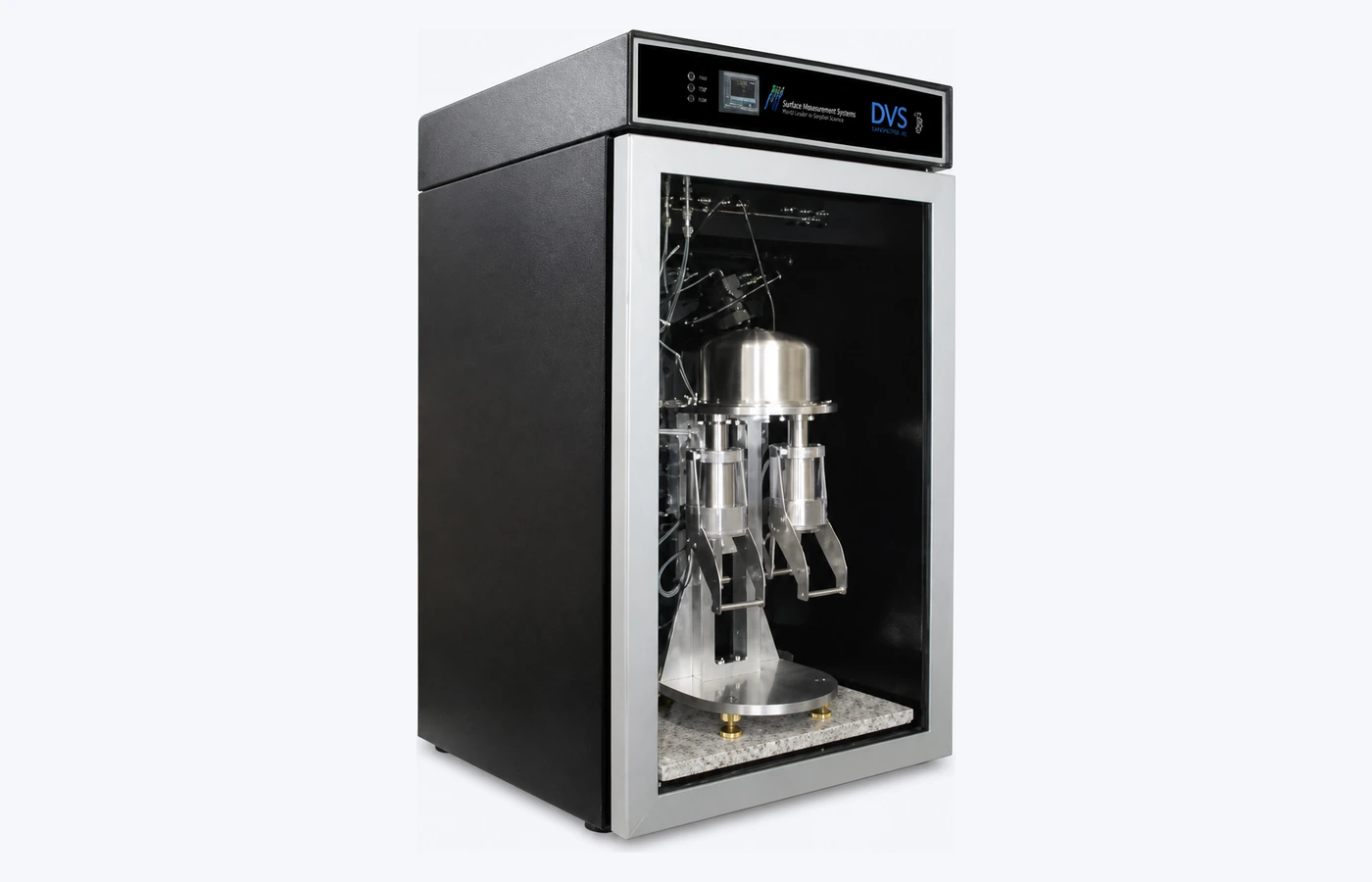
Dynamic Water Sorption (DVS) is a pycnometric testing technique that tests how quickly and in large amounts a solvent can be absorbed by a sample, such as how a dry powder absorbs water. By detecting the…
standard property measurement
distribution or condition comparison
advanced pore, surface, or interface analysis
Choose the scope
The method, preparation route and reporting depth depend on what you need to decide.
particle size, porosity, surface area, roughness, wettability, or interfacial behaviour
differences between materials, batches, treatments, or service conditions
whether the measured result supports a specification, root-cause, or development decision
Common outputs
Fields, conditions, processing and file formats are confirmed before work begins.
Property values and distributions reported with the agreed units, sample reference and measurement conditions.
Processed plots or profiles supplied in a labelled format suitable for direct sample or condition comparison.
Test conditions and comparison summary provided with the processing basis and quality checks agreed during technical review.
Measured property values included when selected in the confirmed reporting scope.
Example results
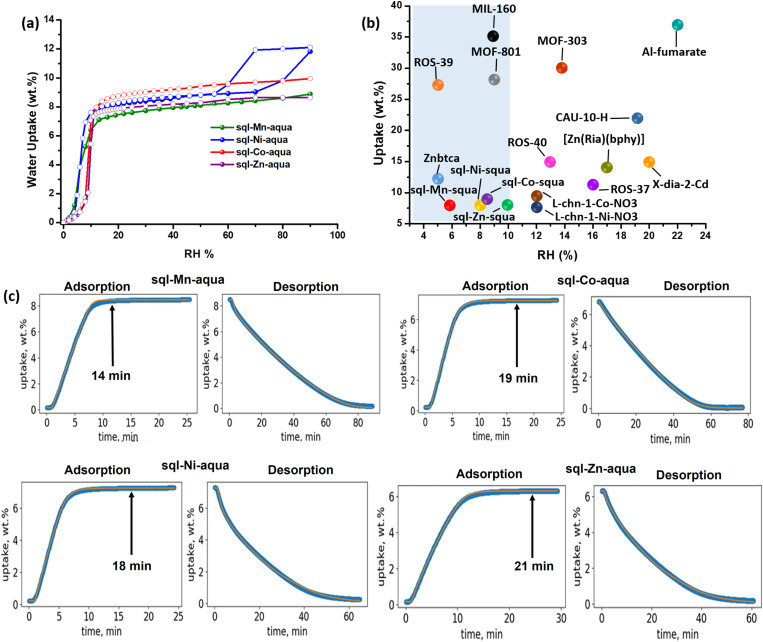
The result shows water vapour sorption isotherm collected (300 K) by dynamic vapour sorption, comparison of inflection points between.
Samuel M. Shabangu et al. · source · CC BY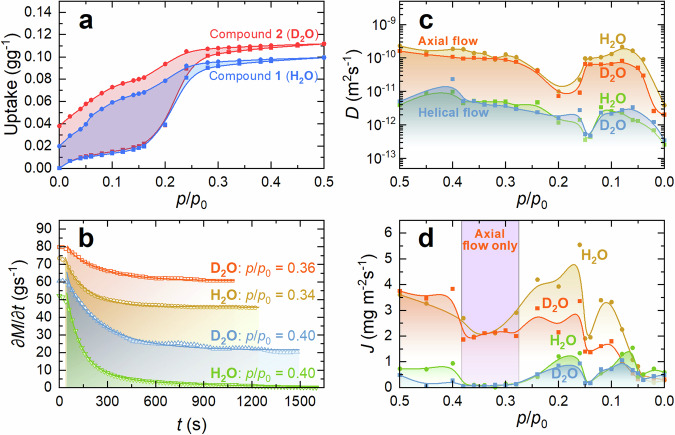
The plot shows experimental observation of axial and helical water flows in FF nanochannels and their dynamic characteristics.
Research source · source · CC BYSample requirements
Provide representative, clearly labelled samples and identify the decision, feature or comparison that matters.
| Suitable sample | Submission requirement | Planning note |
|---|---|---|
| Powder / particles | Provide a dry, homogeneous and clearly labelled sample in a sealed container. | Exact mass and any drying or dispersion step are confirmed after technical review. |
| Liquid / solution | Provide a sealed, compatible container labelled with composition, concentration and solvent. | Declare volatility, corrosivity, suspended solids and any storage or temperature requirement. |
| Gas / headspace | Provide the gas composition, concentration range, cylinder or sampling format and required pressure. | Gas compatibility, fittings, flow and safety controls are confirmed before acceptance. |
| Solid / component | Provide a clean, stable and clearly labelled specimen with the target face or region identified. | Confirm dimensions, cutting permission and whether the original geometry must be preserved. |
Objective: state the decision, comparison or acceptance criterion the work must support.
Handling and access: declare hazards, instability, confidentiality, file constraints or special logistics before dispatch or transfer.
Questions and answers
Short answers to issues that can change preparation, scope, timing or interpretation.
Provide powder / particles, liquid / solution, gas / headspace, solid / component as applicable. Exact quantity, dimensions and preparation are confirmed during technical review.
Choose the scope that matches the decision, comparison and reporting depth you need; TESTDOG confirms the final route after technical review.
Typical outputs include property values and distributions, processed plots or profiles, test conditions and comparison summary. Final files follow the confirmed reporting scope.
Typical turnaround is 10 working days after sample acceptance and method confirmation.
Configure the service
A £45 service fee applies to orders under £300, excluding VAT.
Typical turnaround: 10 working days
Configure & Book