Molecular-weight distribution
Molecular-weight distribution
Material Analysis · Chromatography & Diagnostics
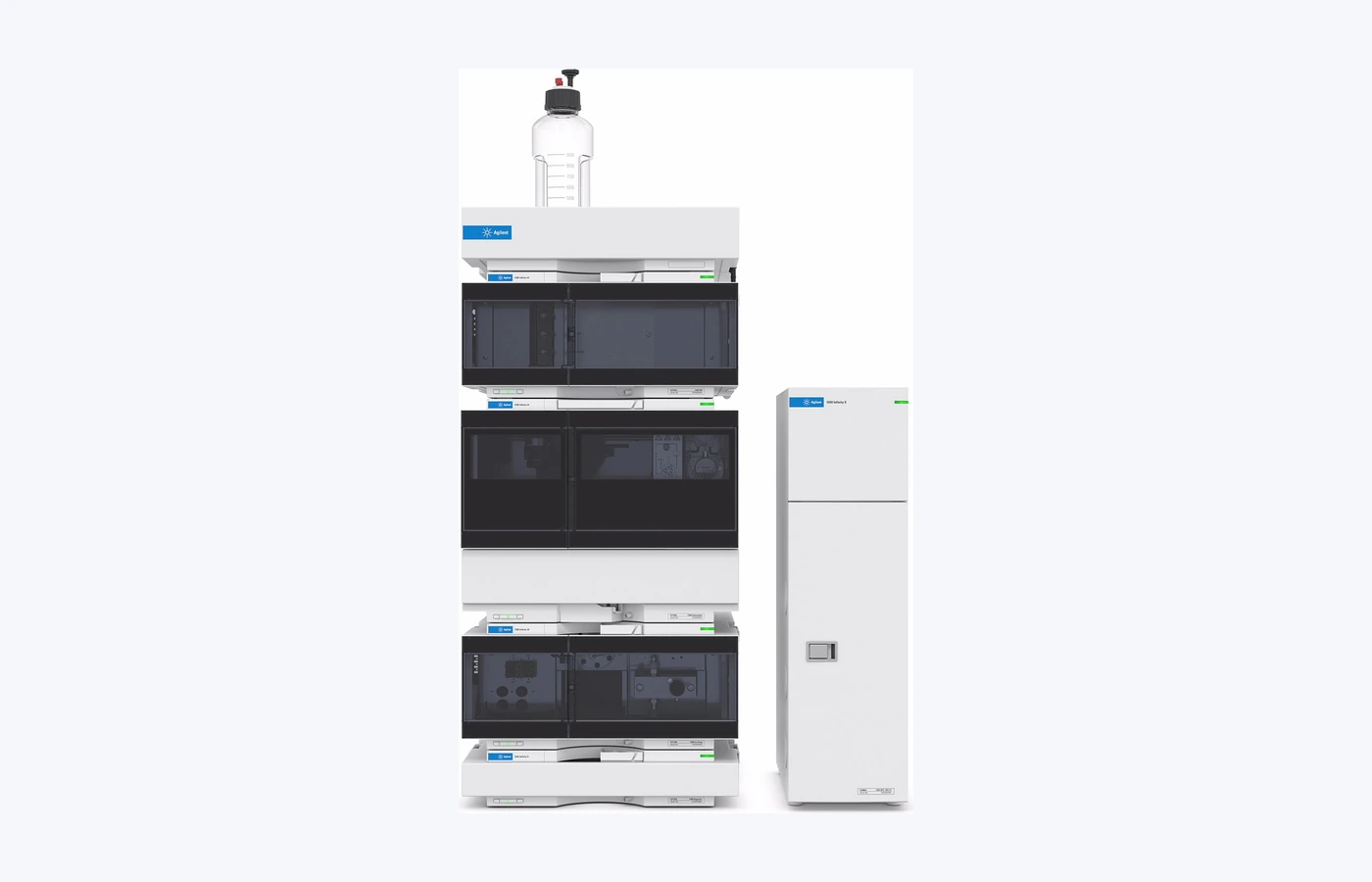
GPC/SEC analysis for polymer molecular-weight distributions, with solvent, solubility, calibration and the required Mn, Mw and dispersity results agreed.
Why this service
GPC/SEC separates dissolved molecules by hydrodynamic size. Molecular-weight results depend on the column, solvent and calibration basis; a relative calibration is not an absolute molecular-weight measurement.
Molecular-weight distribution
Mn, Mw and dispersity
Matched polymer comparison
Choose the scope
The method, preparation route and reporting depth depend on what you need to decide.
Molecular-weight distribution
Mn, Mw and dispersity
Matched polymer comparison
Common outputs
Fields, conditions, processing and file formats are confirmed before work begins.
GPC/SEC chromatograms reported with the agreed units, sample reference and measurement conditions.
Molecular-weight distribution supplied in a labelled format suitable for direct sample or condition comparison.
Agreed Mn, Mw and dispersity provided with the processing basis and quality checks agreed during technical review.
Solvent, calibration and method record included when selected in the confirmed reporting scope.
Sample requirements
Provide representative, clearly labelled samples and identify the decision, feature or comparison that matters.
| Suitable sample | Submission requirement | Planning note |
|---|---|---|
| Soluble polymers | Identify polymer chemistry, solvent, concentration and expected molecular-weight range. | Insoluble or crosslinked material cannot be represented by routine solution GPC/SEC without a separately agreed approach. |
| Polymer solutions | Describe solubility, additives, aggregation and any insoluble fraction. | Aggregation, column interactions and filtration can bias the measured distribution. |
| Soluble polymers | Provide reference methods or standards and agree filtration, detector and calibration before analysis. | Absolute molar mass or specialised detector combinations require separate confirmation. |
Objective: state the decision, comparison or acceptance criterion the work must support.
Handling and access: declare hazards, instability, confidentiality, file constraints or special logistics before dispatch or transfer.
Questions and answers
Short answers to issues that can change preparation, scope, timing or interpretation.
No. With conventional calibration, molar-mass values are relative to the chosen standards. The report must state that basis; dispersity is Mw divided by Mn.
Routine GPC/SEC requires a compatible solution. Declare insoluble fractions and crosslinking so feasibility and preparation can be assessed.
Configure the service
A £45 service fee applies to orders under £300, excluding VAT.
Typical turnaround: 8–12 working days
Configure & Book