Linked to the accepted samples, method and reporting conditions. No duplicate output charge.
Material Analysis · Structure & Spectroscopy
X-ray Diffraction (Powder / Single-Crystal / Texture / In-situ / Synchrotron) (XRD)
Use routine powder XRD to compare diffraction patterns and identify crystalline phases within an agreed scan and interpretation scope.
- Price
- from£49 per sample, excl. VATA £45 service fee applies to orders under £300, excluding VAT.
- Turnaround
- 8–12 working days Preparation and scope dependent
- Available platforms
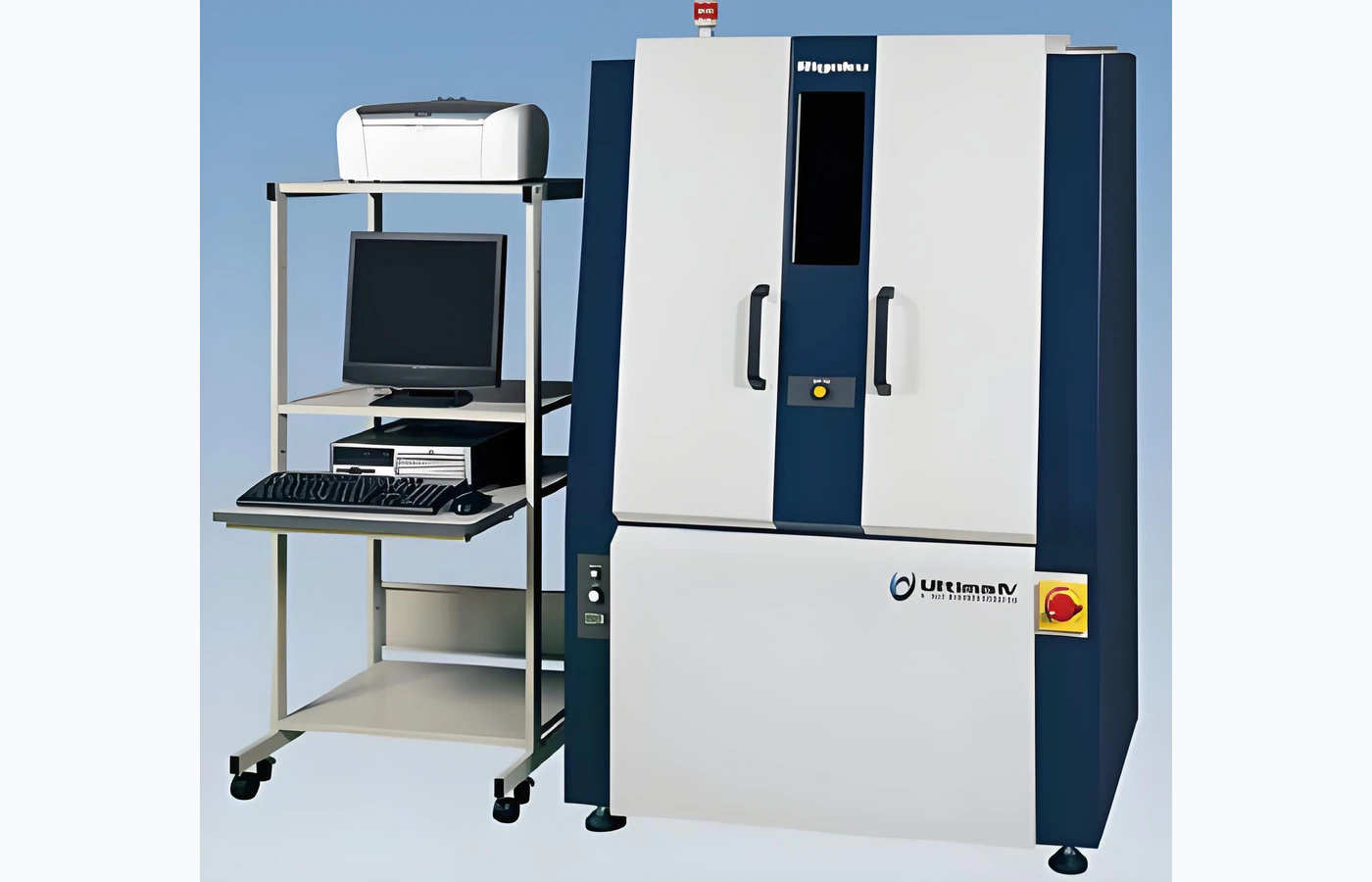
- Malvern Panalytical EmpyreanBruker D8 DISCOVER PlusRigaku SmartLabXenocs Xeuss 3.0
- Typical outputs
- Powder diffraction patternAgreed qualitative phase assignmentsScan and sample-preparation record
What XRD can help you understand
Use routine powder XRD to compare diffraction patterns and identify crystalline phases within an agreed scan and interpretation scope.
Choose the measurement scope
- Routine powder pattern
- Qualitative phase identification
- Matched powder comparison
Single-crystal, texture, stress, quantitative Rietveld, in-situ and synchrotron work are separate routes with their own feasibility, price and turnaround.
Your agreed result package
Linked to the accepted samples, method and reporting conditions. No duplicate output charge.
Linked to the accepted samples, method and reporting conditions. No duplicate output charge.
Single-crystal, texture, stress, quantitative Rietveld, in-situ and synchrotron work are separate routes with their own feasibility, price and turnaround.
Prepare your samples
State material, powder availability, expected phases, mounting constraints and any air sensitivity. Agree the scan range and preparation before dispatch.
Do not dispatch restricted or unstable material before acceptance. The quotation and shipping instructions confirm the receiving location and any cross-border constraints. Shipping time is additional to laboratory turnaround.
Planning questions
What should I prepare?
State material, powder availability, expected phases, mounting constraints and any air sensitivity. Agree the scan range and preparation before dispatch.
What is outside the standard scope?
Single-crystal, texture, stress, quantitative Rietveld, in-situ and synchrotron work are separate routes with their own feasibility, price and turnaround.
When does turnaround begin?
8–12 working days is the indicative laboratory period after technical acceptance and receipt of all required samples and information. Preparation, special conditions and shipping can extend the overall schedule.
Configure the service
Send the information needed to scope XRD correctly
- Sample form, material, dimensions and quantity
- Feature or decision the result must address
- Required comparison, acceptance criterion or reference
- Preferred output and reporting depth
XRD analysisfrom£49
A £45 service fee applies to orders under £300, excluding VAT.
Typical turnaround: 8–12 working days
Configure & Book