Linked to the accepted samples, method and reporting conditions. No duplicate output charge.
Material Analysis · Composition & Elemental
X-ray Photoelectron Spectroscopy (XPS)
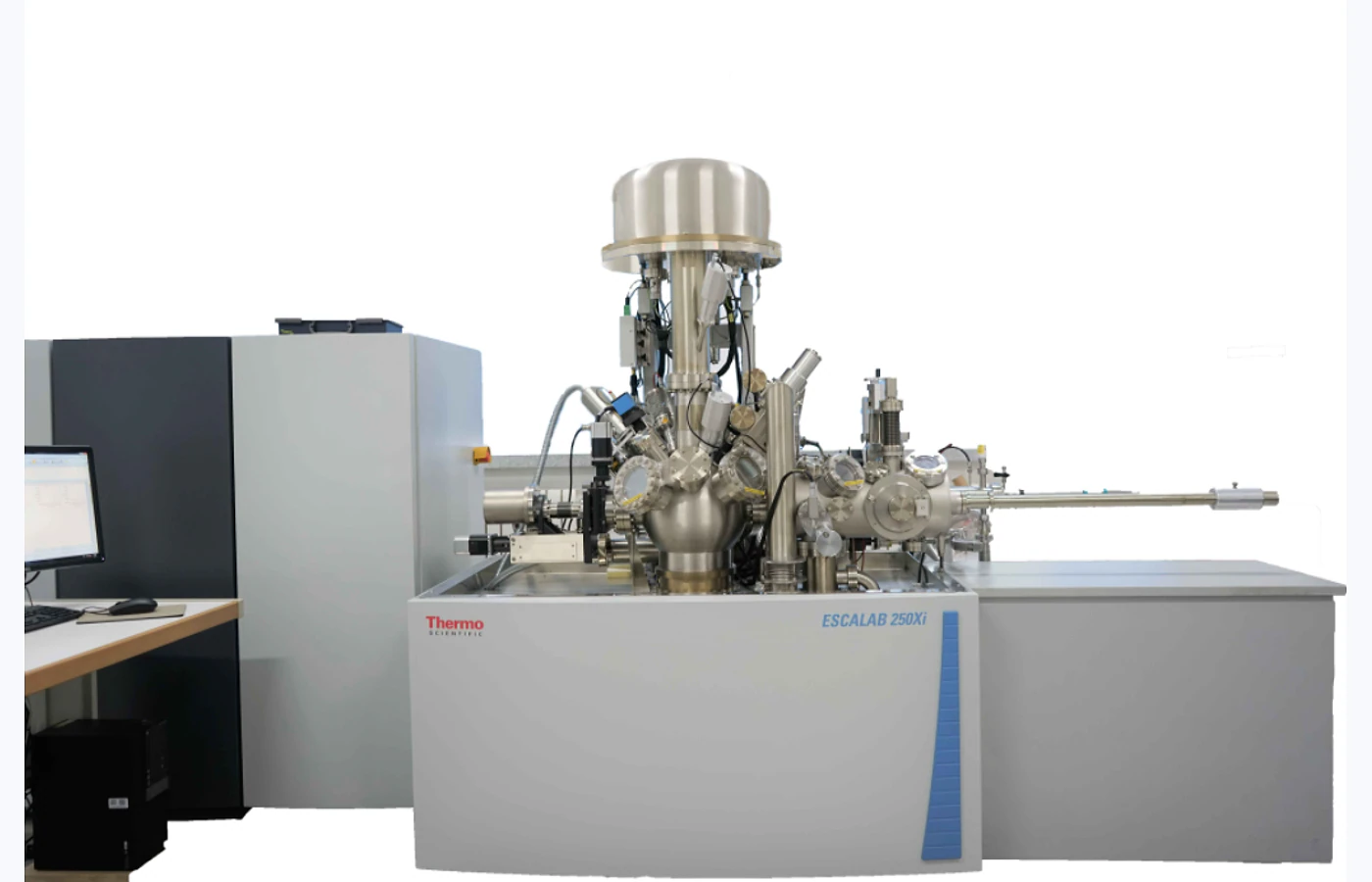
Investigate surface elemental composition and chemical states using a survey and specified high-resolution XPS regions.
- Price
- from£136 per sample, excl. VATA £45 service fee applies to orders under £300, excluding VAT.
- Turnaround
- 8–12 working days Preparation and scope dependent
- Available platforms
- Thermo Fisher Nexsa G2ULVAC-PHI VersaProbe 4SPECS FlexPSKratos AXIS Ultra DLD
- Typical outputs
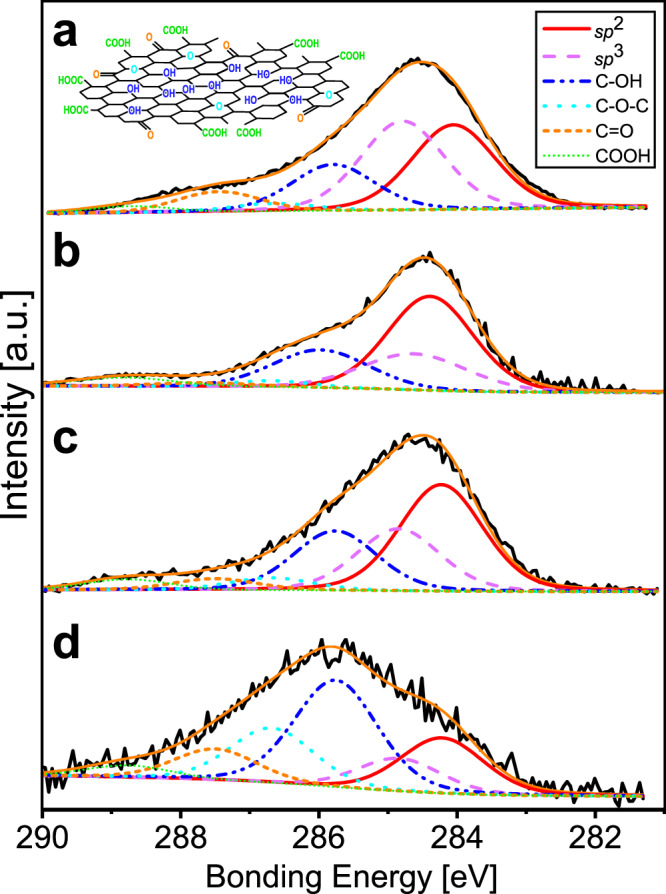
- Survey and specified high-resolution spectraAgreed composition and chemical-state interpretation
What XPS can help you understand
Investigate surface elemental composition and chemical states using a survey and specified high-resolution XPS regions.
Choose the measurement scope
- Surface survey
- Specified high-resolution regions
- Agreed chemical-state analysis
Peak fitting is limited to the agreed elements and model. UPS work-function, ARPES, depth profiling and mapping are separate scopes.
Your agreed result package
Linked to the accepted samples, method and reporting conditions. No duplicate output charge.
Peak fitting is limited to the agreed elements and model. UPS work-function, ARPES, depth profiling and mapping are separate scopes.
Prepare your samples
Identify the analysed face, elements of interest, vacuum compatibility, contamination and air sensitivity. Surface cleaning or sputtering needs explicit agreement.
Do not dispatch restricted or unstable material before acceptance. The quotation and shipping instructions confirm the receiving location and any cross-border constraints. Shipping time is additional to laboratory turnaround.
Planning questions
What should I prepare?
Identify the analysed face, elements of interest, vacuum compatibility, contamination and air sensitivity. Surface cleaning or sputtering needs explicit agreement.
What is outside the standard scope?
Peak fitting is limited to the agreed elements and model. UPS work-function, ARPES, depth profiling and mapping are separate scopes.
When does turnaround begin?
8–12 working days is the indicative laboratory period after technical acceptance and receipt of all required samples and information. Preparation, special conditions and shipping can extend the overall schedule.
Configure the service
Send the information needed to scope XPS correctly
- Sample form, material, dimensions and quantity
- Feature or decision the result must address
- Required comparison, acceptance criterion or reference
- Preferred output and reporting depth
XPS analysisfrom£136
A £45 service fee applies to orders under £300, excluding VAT.
Typical turnaround: 8–12 working days
Configure & Book