Position, velocity, and acceleration
single or multi-camera capture
Material Analysis · Microscopy & Imaging
Characterise position, velocity, and acceleration, event timing and deformation sequence, and crack, impact, spray, flow, or combustion behaviour using a scope agreed around your sample and decision.
Why this test
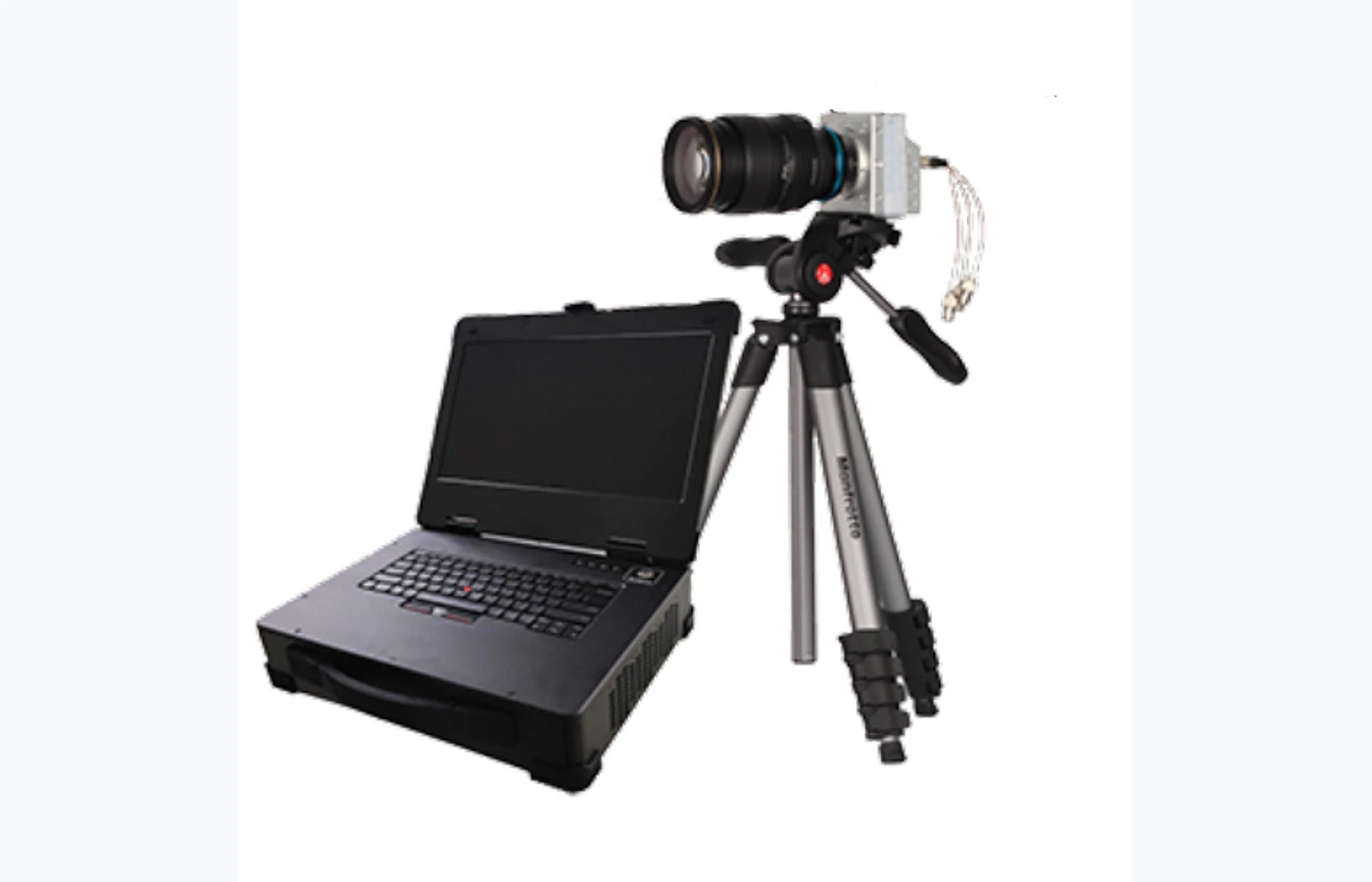
High-Speed Imaging is selected when the project needs defensible information on position, velocity, and acceleration, event timing and deformation sequence, or crack, impact, spray, flow, or combustion behaviour. A…
single or multi-camera capture
external trigger and synchronisation
digital image correlation or particle tracking
Choose the scope
The measurement mode, preparation route and reporting depth depend on what you need to learn from the sample.
position, velocity, and acceleration
event timing and deformation sequence
crack, impact, spray, flow, or combustion behaviour
Common outputs
Fields, measurement conditions, processing and file formats are confirmed before work begins.
High-speed video sequence reported with the agreed units, sample reference and measurement conditions.
Time-calibrated frames supplied in a labelled format suitable for direct sample or condition comparison.
Optional motion tracking and kinematic plots provided with the processing basis and quality checks agreed during technical review.
Method-specific images included when selected in the confirmed reporting scope.
Sample requirements
Provide representative, clearly labelled samples and identify the region, feature or comparison that matters.
| Suitable sample or input | Submission requirement | Planning note |
|---|---|---|
| Liquid / solution | Provide a sealed, compatible container labelled with composition, concentration and solvent. | Declare volatility, corrosivity, suspended solids and any storage or temperature requirement. |
| Test coupon / specimen | Provide labelled specimens prepared to the agreed geometry, orientation and surface condition. | Confirm the applicable standard, dimensions, loading direction and number of replicates. |
| Device / assembly | Provide a complete labelled device or assembly with drawings, interfaces and operating limits. | Confirm power, connections, operating state, access restrictions and permitted disassembly. |
| Solid / component | Provide a clean, stable and clearly labelled specimen with the target face or region identified. | Confirm dimensions, cutting permission and whether the original geometry must be preserved. |
Region of interest: include a marked image, sketch or reference when the target feature is localised.
Handling: declare hazardous, magnetic, volatile, moisture-sensitive, beam-sensitive or temperature-controlled material before dispatch.
Questions and answers
Short answers to issues that can change preparation, scope or interpretation.
Provide liquid / solution, test coupon / specimen, device / assembly, solid / component as applicable. Exact quantity, dimensions and preparation are confirmed during technical review.
Choose the mode around the decision you need to make. For position, velocity, and acceleration, start with single or multi-camera capture; add external trigger and synchronisation when comparison or quantification is required.
Typical turnaround is 15 working days after sample acceptance and method confirmation.
Higher frame rates reduce image size, exposure time, and available light. A poor trigger or obscured view can make a test unusable.
Configure the service
A £45 service fee applies to orders under £300, excluding VAT.
Typical turnaround: 15 working days
Configure & Book